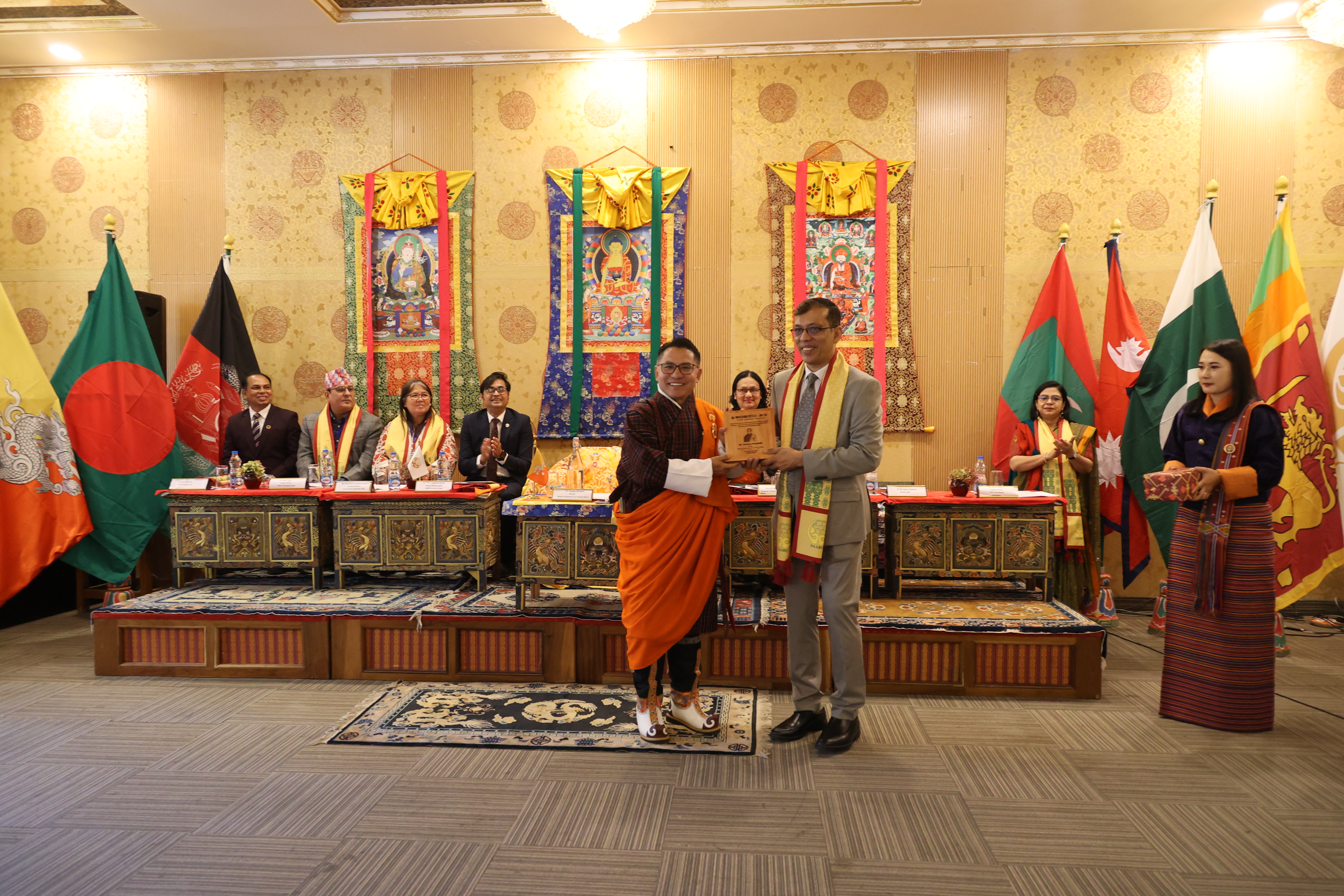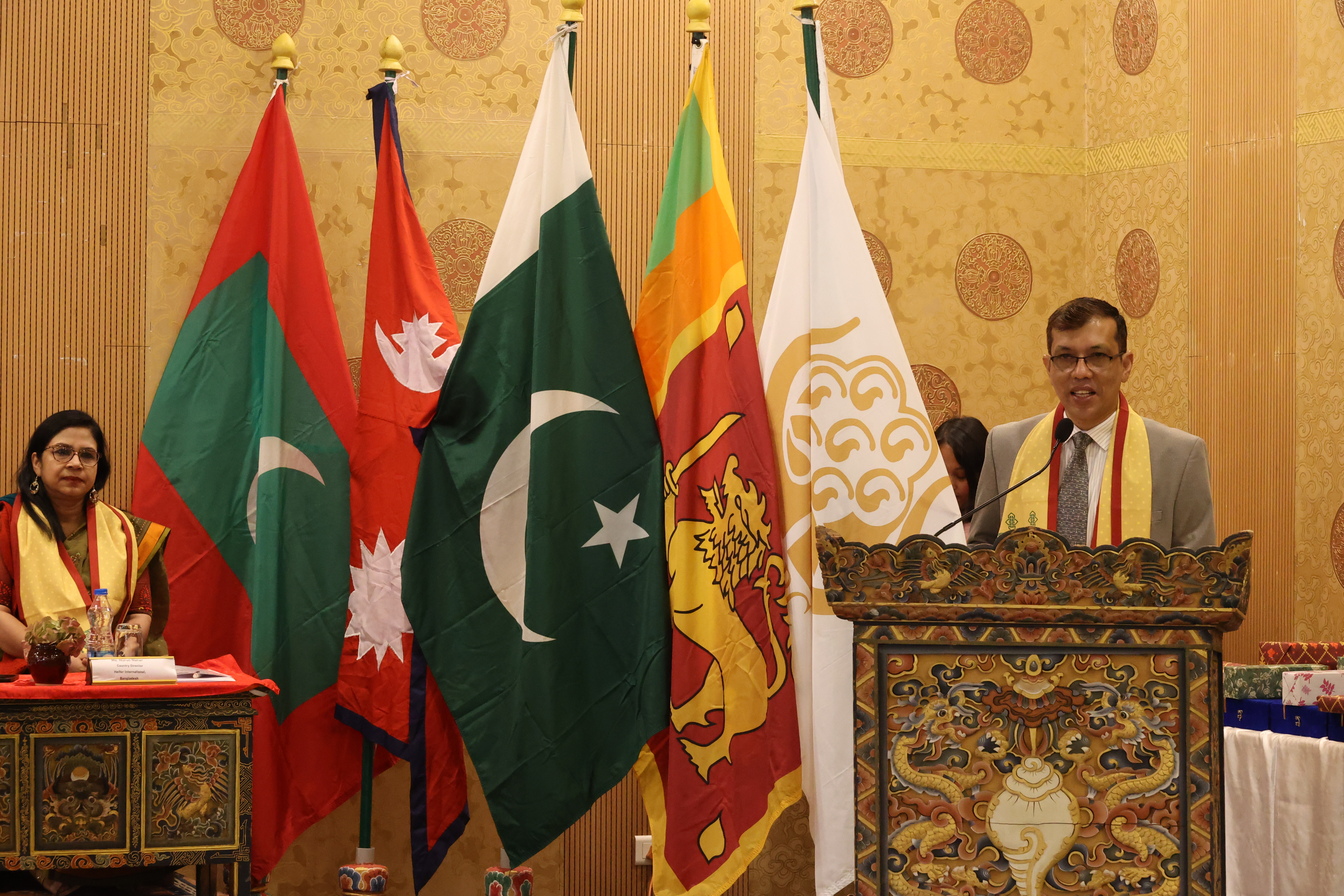
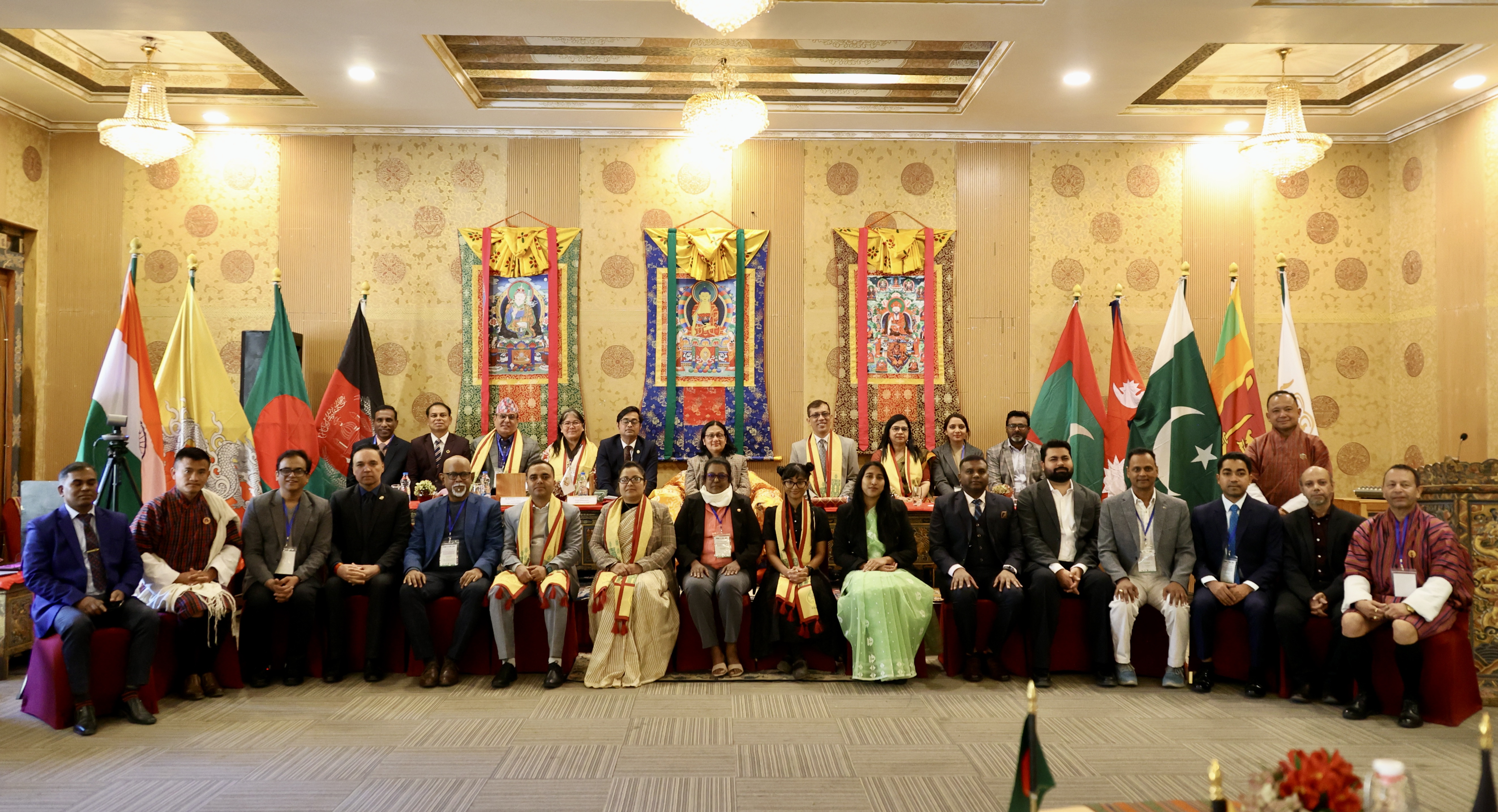
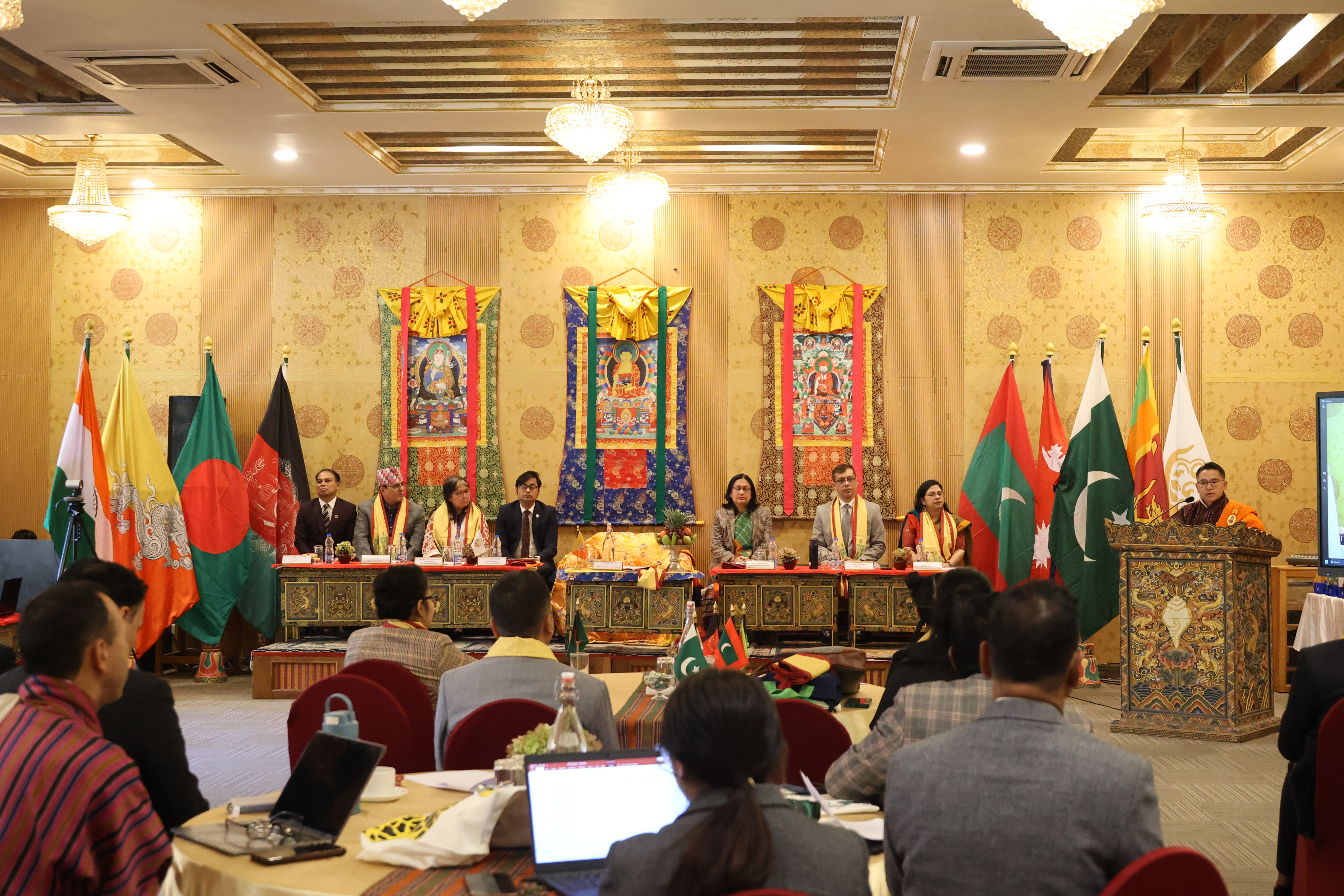
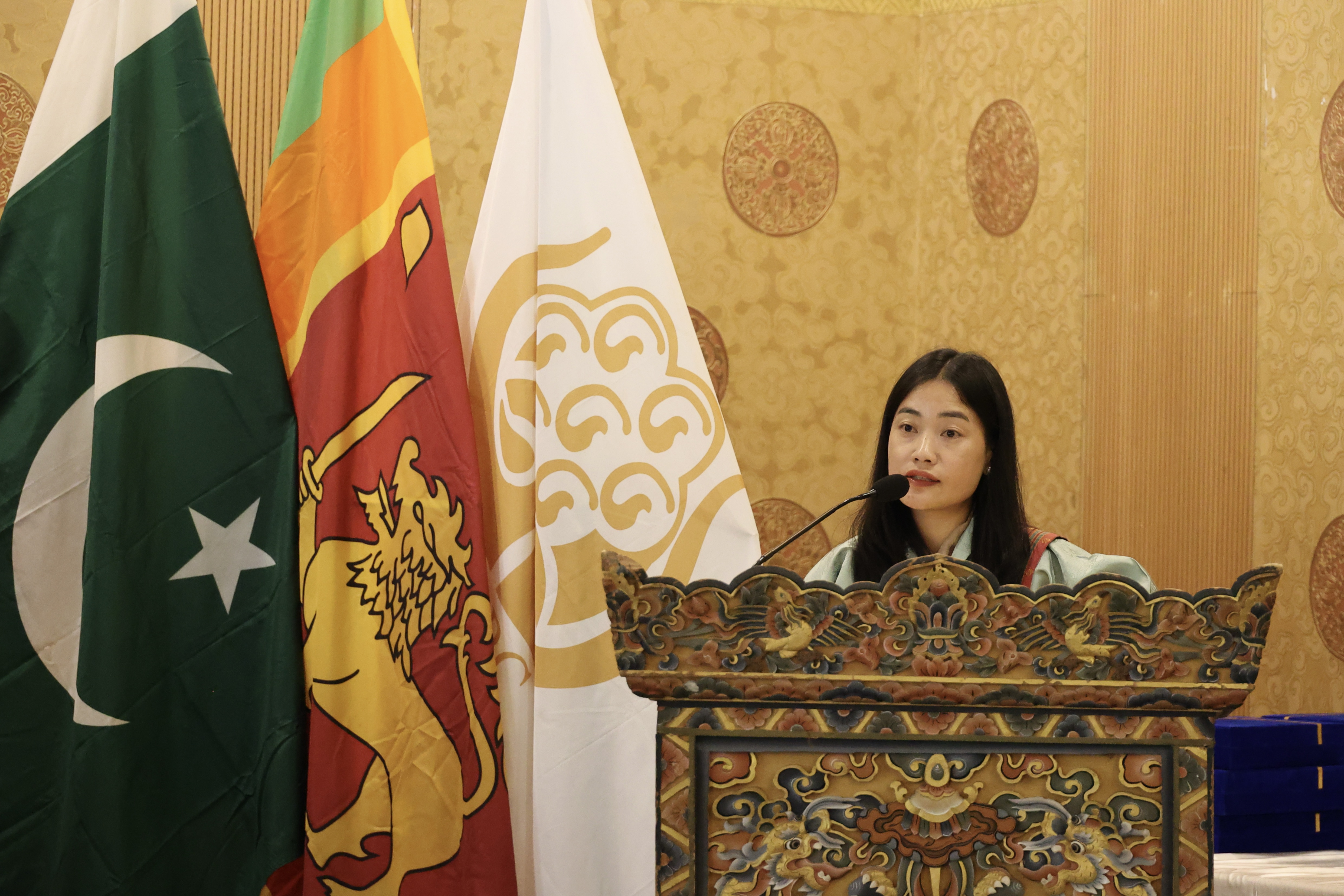
18 November 2026, Thimphu, Bhutan: The Regional Workshop on Small Ruminant Value Chains for Food Security in South Asia opened today in Thimphu. The Hon’ble Minister for Agriculture and Livestock graced the opening ceremony as Chief Guest and delivered the inaugural address. The two-day workshop brings together policymakers, livestock specialists, researchers, development partners, and representatives of farmers’ organizations to identify practical ways to improve sheep and goat production, strengthen market access, and increase incomes for farming and pastoral households.
Sheep and goats provide food and income in many parts of South Asia, including mountain and dryland areas where crop farming is difficult. Locally adapted breeds and generations of knowledge about managing grazing lands help families raise livestock in these conditions. Yet limited access to breeding and veterinary services, finance, and reliable markets can make it difficult for small-scale producers to earn a fair return. The workshop will examine what countries can do together to address these constraints while sustaining the rangelands on which pastoral communities depend.
The workshop is jointly organized by the SAARC Agriculture Centre, Ministry of Agriculture and Livestock, the Asian Farmers’ Association for Sustainable Rural Development, and Heifer International Bangladesh and Nepal. The opening session also included remarks from the SAARC Secretariat and the Embassy of Bangladesh in Bhutan.
Country presentations from Bangladesh, Bhutan, Maldives, Nepal, and Sri Lanka will inform discussions on livestock productivity, breeding, animal health, sustainable rangeland management, and access to markets and finance. Participants will also explore how women and young people can take a greater role in livestock production, processing, and marketing. Held in observance of the International Year of Rangelands and Pastoralists 2026, the workshop builds on the priorities of the 2025 Joint Communiqué and aims to develop a framework for regional cooperation on sheep and goat value chains.
The workshop will be followed by the Third Meeting of the SAARC Epidemiology Network (EpiNet) Forum on 20 November 2026. The forum is scheduled to bring together representatives from Bangladesh, Bhutan, India, Maldives, Nepal, Pakistan, and Sri Lanka to share national approaches to animal disease prevention and control. Discussions will cover disease surveillance, the exchange of laboratory and disease information, training needs, and preparedness for animal disease emergencies which will help countries detect and respond earlier to diseases that cross borders, protecting livestock and the livelihoods that depend on them.